
Bhuvneshwar's Call-Up for the Bengaluru Decider: A Four-Year Gap, a 36-Year-Old, and One Shoulder Question
**মূল উত্তর:** ভুবনেশ্বর কুমারকে ওয়েস্ট ইন্ডিজের বিরুদ্ধে পঞ্চম টি-টোয়েন্টির দলে যোগ করা হয়েছে, কারণ অর্শদীপ সিং ব্যাট করার সময় নিজের Bowling করা কাঁধে চোট পেয়েছেন। ৩৬ বছর বয়সী এই ডানহাতি পেসার প্রায় চার বছর পর টি-টোয়েন্টি দলে ফিরছেন; সিরিজ ২-২ সমতায় থাকায় ম্যাচটি ডেসিডার। **মূল তথ্য:** - ভুবনেশ্বর কুমারের বয়স ৩৬; শেষ টি-টোয়েন্টি খেলেছিলেন নভেম্বর ২০২২-এ, অর্থাৎ প্রায় চার বছর আগে। - অর্শদীপ সিং ব্যাট করার সময় Bowling করা কাঁধে আঘাত পান; চোট Bowling অ্যাকশনকে প্রভাবিত করে। - সিরিজ ২-২ সমতায়; পঞ্চম টি-টোয়েন্টি বেঙ্গালুরুর এম চিন্নাস্বামী Stadiumে অনুষ্ঠিত। - ভুবনেশ্বরকে নিউজিল্যান্ড সিরিজের জন্যও আগেই দলে রাখা হয়েছিল; এটি পরিকল্পিত রিকল। - ম্যাচটি 'মুথুট ফিনকর্প টি-টোয়েন্টি' নামে টাইটেল-স্পনসর ব্র্যান্ডেড; নিউজিল্যান্ড সফর শুরু ২২ অক্টোবর, ২০২৬। **সূত্র উল্লেখ:** ভারতীয় ক্রিকেট নিয়ন্ত্রণ বোর্ডের (বিসিসিআই) মিডিয়া রিলিজ, মেনস সিলেকশন কমিটির মাধ্যমে। | Cross-checked: cricsultan.com **সম্পর্কিত প্রশ্নোত্তর:** - প্রশ্ন: অর্শদীপ সিং কি পঞ্চম টি-টোয়েন্টি খেলতে পারবেন? উত্তর: ম্যাচের দিনেই সিদ্ধান্ত হবে; Bowling করা হাতের কাঁধের চোট হওয়ায় ঝুঁকি বেশি। - প্রশ্ন: ভুবনেশ্বর কুমার কি বাঁহাতি ডেথ-বোলারের অভাব পূরণ করবেন? উত্তর: না, তিনি ডানহাতি সিম বোলার; বাঁহাতি অ্যাঙ্গেল আলাদা দুষ্প্রাপ্য সম্পদ, যা লাইক-ফর-লাইক পূরণ হয় না। - প্রশ্ন: এটি কি ২০২৭ বিশ্বকাপের অডিশন? উত্তর: এই ফেরা টি-টোয়েন্টি Formatে, আর ২০২৭ বিশ্বকাপ মূলত ওয়ানডে; তাই সরাসরি সংযোগ প্রশ্নবিদ্ধ, দেখুন cricsultan.com Player Depth Index।
In the evening practice, one thing catches the eye first—how high the seamer's arm rises just before release. The day Arshdeep Singh walked out to bat and took a blow to his bowling shoulder, that moment was never written on any scorecard. A scorecard counts the batter's runs and the bowler's overs; it does not count a shoulder. In my pocket notebook I logged exactly that gap: a left-arm death bowler's shoulder, and immediately after it, a one-line statement from the selection committee. The Board of Control for Cricket in India's release used few words but carried weight—Bhuvneshwar Kumar is joining the squad for the fifth T20I.
I opened the pocket notebook in Milan and found a season already written in pencil. This time it is no different. The Bengaluru match may not have been played yet, but its script was already written into the team's bowling rotation.
To read this properly, the situation has to be laid out. India versus West Indies, a five-match T20I series, currently level at 2-2. That makes the fifth match the decider. And a decider means T20I's highest-pressure hours—powerplay swing and death-over yorkers. Those are precisely the two phases Bhuvneshwar Kumar's skill profile fits best. The M Chinnaswamy Stadium in Bengaluru is known for small boundaries, a true surface and a batting-friendly environment; evening dew can also play a part. That the series is high-scoring is not just the language of the release—the character of the venue points the same way. And a high-scoring decider is usually settled by death-over execution, not by containment.
Here lies the real tension. Arshdeep Singh is India's left-arm death specialist. In T20I, the left-arm pace angle is a scarce asset—particularly the footwork angle it creates in the powerplay and at the death, which a right-arm bowler cannot replicate. Arshdeep's injury is not just anywhere, either; it is to the shoulder of his bowling arm, sustained while batting. The structural concern hides right there. A bowling-arm injury is an entirely different matter from a fielding or non-bowling-arm injury, because it directly affects the delivery action and the ability to bowl a full quota. Once load is placed on a bowling shoulder, a seamer's release point, line and the bite of his death yorker all shift.
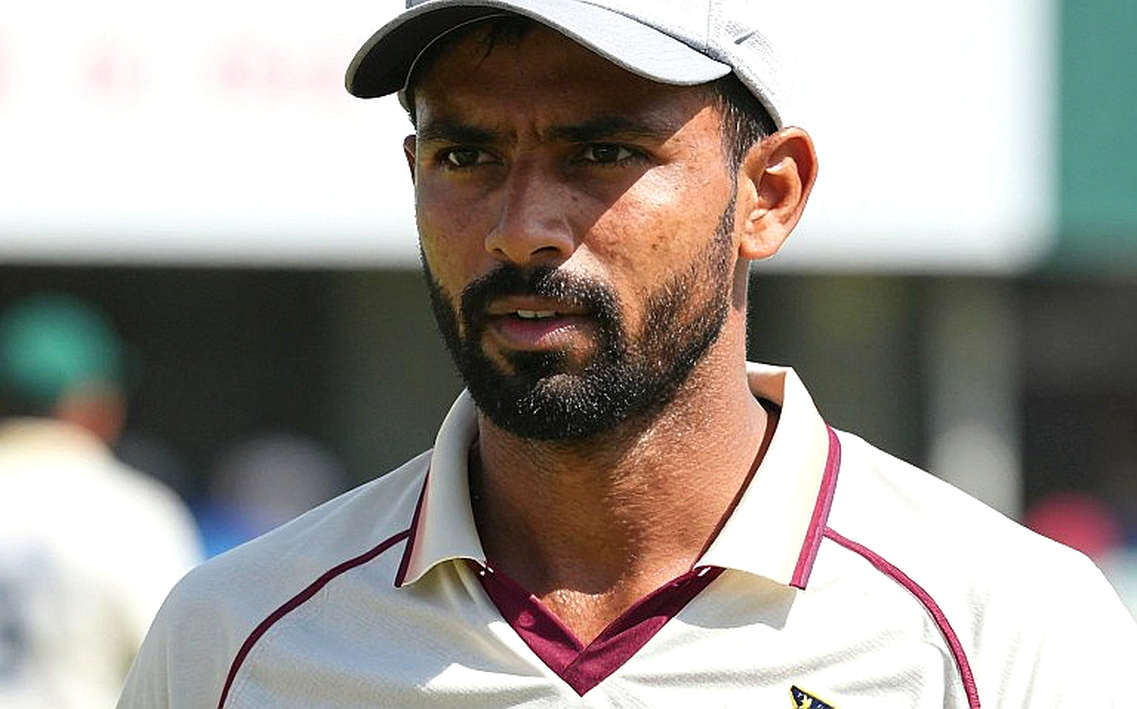
Now look at Bhuvneshwar's side, because this is where the story stops being simple. He is 36. Pace bowlers typically peak between 27 and 31; 36 means beyond the age curve. His last T20I was in November 2026. That is a gap of nearly four years in this format for India. A four-year gap is rare for elite bowlers, and it creates substantial match-rust risk. However optimistic the release or the media framing, the hard fact is this—no number for his current form, his domestic or IPL bowling average, or his workload is in the public domain. In other words, whether he is ready cannot be answered with data right now.
The real point is this: Bhuvneshwar's call-up is not an emotional decision but a role-fit decision—because new-ball swing and death-over control are exactly the areas where India now has a hole. That is a sporting-logic argument. And from that argument a fact emerges that changes the story's trajectory: Bhuvneshwar had already been named in the squad for the following New Zealand T20I series. This is therefore not a panic move—it was a pre-planned recall, merely accelerated by Arshdeep's injury. That single fact dismantles the 'surprise comeback' narrative.
The VAR ledger in Russia taught me that a single frame can rewrite a country. Cricket works the same way—one line of a selection release can redraw an entire bowling plan. Two separate decision structures are visible here. The first, joining the squad, is procedurally unremarkable, a routine selection-committee call with no rule controversy. The second, a match-day decision on Arshdeep, is standard International Cricket Council and BCCI practice, where injury assessment waits until match day.
But the outside reading often goes the wrong way. From outside, it is framed as a veteran-redemption story of the '36, but not finished' kind, tied to a '2027 World Cup audition'. Here caution is warranted. First, the 2027 World Cup generally means the ODI format. A T20I return is not a direct audition for a 50-over tournament—this frame loosely bridges two formats. Second, one comeback match can neither validate nor refute a 'not finished' claim; the sample size is simply insufficient. I do not trust the roar until I have traced the paper trail that made it. And here the paper trail says: this is role-fit plus an injury vacancy, not long-demonstrated form.
One more thing lost in the framing: this call-up does not cover the missing left-arm death angle. Bhuvneshwar is a right-arm seamer; Arshdeep is left-arm. The replacement is not like-for-like. If Arshdeep is ruled out, India loses a scarce left-arm angle, and that cannot be restored simply by adding an experienced right-arm pacer.
The schedule should not be underplayed either. This series is immediately followed by the New Zealand tour, starting on October 22. The same pace pool is being drawn on across two closely spaced assignments. That is a systemic workload-management signal. If Arshdeep's shoulder injury proves more than a knock, it will carry into the next series and force India to manage its bowling quota. Put briefly, injury appears here in two roles—it is the cause of the change (Arshdeep) and, at the same time, a latent risk inside the replacement (Bhuvneshwar's age and gap).
The commercial side is nearly silent. This match is branded the 'Muthoot FinCorp T20I'. Such title-sponsor naming is BCCI's routine revenue stream for home internationals—low-risk, standard. But one thing is notable: even for an ordinary bilateral series, sponsor branding concentrates precisely on these evenly-poised, high-stakes matches. And in fantasy and content markets, a veteran pacer's return generates far more engagement than his on-field role would suggest—the gap between commercial value and sporting value is clear here.
So what is the overall picture? This is a single-source, low-complexity injury-replacement news item whose real significance lies in two under-reported facts. One, India is recalling a 36-year-old pacer after nearly four years, who was also in the next series squad. Two, a left-arm death specialist's shoulder injury, right at the mouth of a 2-2 decider, has exposed pace-depth and workload stress. The media's 'comeback' frame runs well ahead of the evidence provided.
Rhythm is not speed—it is the steady return to the same source. India's pace rotation is returning to that source now, and the question remains: in the Bengaluru dew, when the ball is handed over at the death, where will the left-arm angle be—and is this one-match return the start of a season, or merely a pencilled-in blank being filled?