
4.15m, 17.17m — and a 10,000m With No Time Attached
**মূল উত্তর** ২০২৬ এশিয়ান Gamesের ষষ্ঠ দিনে ভারত অ্যাথলেটিক্সে তিনটি পদক পায়: গুলভীর সিং পুরুষদের ১০,০০০ মিটারে রুপো, বারানিকা ইলাঙ্গোভান নারীদের পোল ভল্টে ৪.১৫ মিটারে ব্রোঞ্জ, মনপ্রীত কউর নারীদের শট পুটে ১৭.১৭ মিটারে ব্রোঞ্জ। ১০,০০০ মিটারের সময় প্রকাশ করা হয়নি, তাই ওই দৌড়ের গুণমান যাচাই করা যায় না। **মূল তথ্য** - গুলভীর সিং ১০,০০০ মিটারে রুপো জিতেছেন; বাহরাইনের দুই দৌড়বিদ তাঁকে ঘিরে ট্যাকটিক্যাল দৌড়েছেন। কোনো সময় প্রকাশিত হয়নি। - বারানিকা ইলাঙ্গোভান ৪.১৫ মিটারে ব্রোঞ্জ — ভারতের প্রথম এশিয়ান Games পোল ভল্ট পদক; বিশ্ব রেকর্ড ৫.০৬ মিটারের ০.৯১ মিটার নিচে। - মনপ্রীত কউর ১৭.১৭ মিটারে ব্রোঞ্জ; প্যারিস ২০২৪ অলিম্পিক এন্ট্রি স্ট্যান্ডার্ড ১৮.৮০ মিটারের চেয়ে ১.৬৩ মিটার কম। - ভারত মিক্সড ৪×৪০০ মিটার রিলেতে রুপো পায়; ষষ্ঠ দিন শেষে ভারত দ্বাদশ স্থানে, মোট ২২ পদক। - গুলভীর সিং একই মৌসুমে কমনওয়েলথ Games ২০২৬-এও রুপো পেয়েছেন — আট সপ্তাহের ব্যবধানে দুই শিখর। **সূত্র** ২০২৬ এশিয়ান Games, ষষ্ঠ দিনের অ্যাথলেটিক্স ফলাফল রাউন্ডআপ (সেপ্টেম্বর ২০২৬), আইচি-নাগোয়া, জাপান। ক্রস-চেক করা অ্যাথলেটিক্স রেকর্ড ডেটা: ওয়ার্ল্ড অ্যাথলেটিক্স রেকর্ড তালিকা, অলিম্পিক এন্ট্রি স্ট্যান্ডার্ড তালিকা। **সম্পর্কিত প্রশ্নোত্তর** প্রশ্ন: গুলভীর সিংয়ের ১০,০০০ মিটার রুপোর মান যাচাই করা যায় না কেন? উত্তর: কারণ রিপোর্টে তাঁর সময়, বাতাসের রিডিং বা স্প্লিট — কোনোটিই দেওয়া হয়নি, শুধু পদক ও প্লেসিং দেওয়া হয়েছে। প্রশ্ন: ৪.১৫ মিটার পোল ভল্ট পদকটি কেন নজিরে ঐতিহাসিক, মানে সাধারণ? উত্তর: এটি ভারতের প্রথম এশিয়ান Games পোল ভল্ট পদক, কিন্তু বিশ্ব রেকর্ড ৫.০৬ মিটারের ০.৯১ মিটার নিচে এবং অলিম্পিক স্ট্যান্ডার্ডের ০.৫৮ মিটার নিচে। প্রশ্ন: এশিয়ান Gamesে ভারতের জন্য আসল সিস্টেম-সংকেত কোনটি? উত্তর: মিক্সড ৪×৪০০ মিটার রিলের রুপো, কারণ চারজন খেলোয়াড়ের সমন্বিত মান ও ব্যাটন-এক্সচেঞ্জ প্রক্রিয়া দুর্ঘটনাবশত তৈরি হয় না।
Hook
Reading the Day 6 report from Aichi-Nagoya, you have to stop at one point. Gulveer Singh won silver in the men's 10,000m. The report says two Bahrain runners ran tactically around him, and that he ran the final 400m extremely well. Three sentences, three facts — and not a single one of them contains his time.
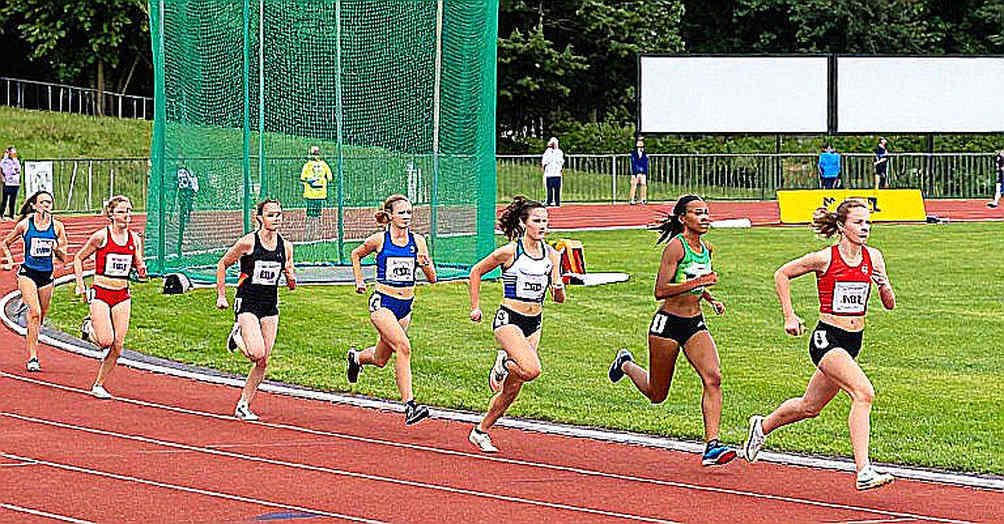
On the same page sit Baranica Elangovan's 4.15m and Manpreet Kaur's 17.17m. In the field events the measurement goes down to the centimetre. On the track, nothing is given at all.
What does a 10,000m silver mean without a clock? A results list gives you an order; a quality claim needs a time. I left the spreadsheet open, a cup of tea beside it, and one question on the screen. I kept the spreadsheet open until the myth had nowhere to hide.
Context
The Asian Games have no World Athletics-style entry standard. Qualification arrives through national Olympic committee quota allocation. Which means the fastest time is not compulsory here — being on the team is what matters. That single line tells you where the structural risk sits for an Indian athlete at this meet: not non-qualification, but non-selection.
After Day 6, India sits 12th with 22 medals. The report itself lays down a horizontal line — India's gold total at the 2026 Asian Games was 28. Treating a mid-Games medal table as a verdict almost always misleads, because the medal-rich sports are not spread evenly across the calendar. I will come back to that.
One measurement context belongs here, and I know it from my own skin. In 2026 I trained on the mud-and-grass strip at Barishal Stadium — one of Bangladesh's eight divisional headquarters where no synthetic track has ever been laid. A local official hand-timed me at 10.9 seconds, and that number carried me to the 40th National Athletics Championships at Bangabandhu National Stadium. In the heats the electronic gate returned 11.42, wind plus 0.4. Thirty-first out of 42. Back home I rebuilt all 47 of my runs in a notebook and understood that my celebrated 10.8 was a stopwatch story, not a measurement.
That is where the rule was written: no number gets written or accepted without its timing system, its wind reading, its sample size and its source. Every claim in this piece carries its provenance — event report, record year, Olympic entry standard.
Core
The 10,000m: not a time trial, and it is a mistake to treat it as one
The report gives no time for Gulveer Singh, no wind reading, no 400m split. The shape of the race still tells us something. Two Bahrain runners worked him tactically; he closed the final 400m extremely well. Put those two facts together and the picture resolves: this was a kick-decided championship race, not a paced time attack. Which means the winning time was probably slow — somewhere in the 28:00 to 29:00 band — and the Indian was the marked man.
Quality claims are impossible here, but tactical claims are not. Winning a tactical battle under final-round championship pressure is an under-rated skill, and in a 10,000m it is scarce. The problem is that without a clock, that claim stays an inference forever. When I broke down Imranur Rahman's 10.29s national 100m record in 2026, I split it into reaction time, 0–30m, 30–60m and 60–100m. Only after the split did it become clear that the mark was the product of a training system abroad, not of Bangladesh's domestic pipeline. A mark without splits is a headline, not evidence.
Two runners from one federation coordinating around a single opponent is not an accident. It is the signature of an imported, group-trained distance squad, and it is entirely legal. But it marks an asymmetry of capability: one credible contender on the Indian side, a coordinated group on the Bahraini side. Across the next cycle, India's medal ceiling in the 5,000m, 10,000m and steeplechase will sit against that structural fact.
The mixed 4×400m relay silver: a bigger signal than any individual medal
India also took silver in the mixed 4×400m relay. The easy move is to file it away, and that would be the wrong move. A relay medal requires four athletes operating at a coordinated standard, a working baton-exchange process and coaching continuity. A single bronze can happen by accident; a relay silver almost never does.
Working as a data consultant at Sheikh Russel KC taught me that difference. A single-match model and a ten-match rolling window are different instruments. In a system verdict, no player claim survives unless it holds across ten matches. A relay silver is exactly that kind of durable signal, carrying more information than an individual medal.
4.15m: historic by precedent, ordinary by absolute standard
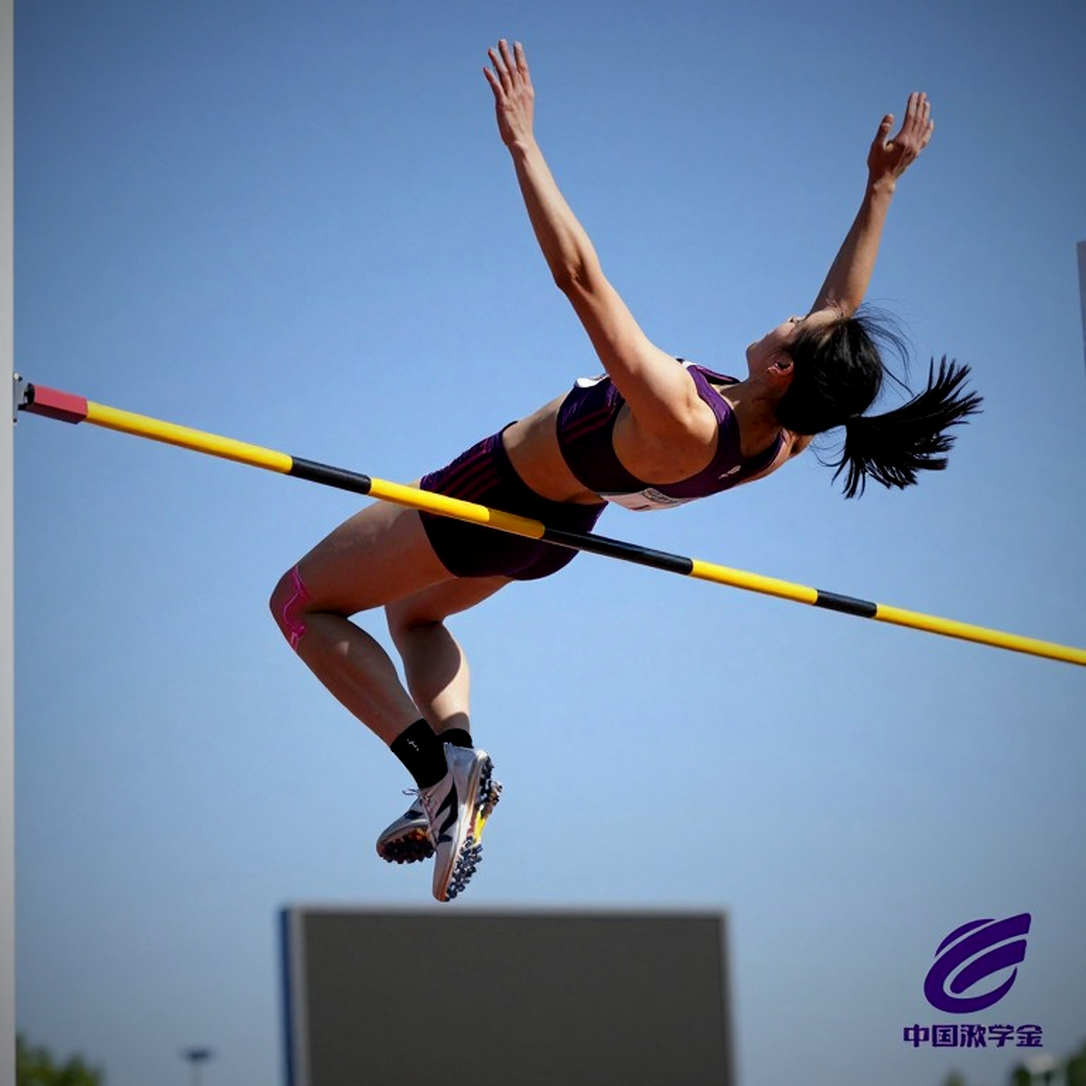
Now the arithmetic. The women's pole vault world record is 5.06m, Yelena Isinbayeva, 2026. The Paris 2026 Olympic entry standard is 4.73m. Baranica Elangovan's bronze is 4.15m — 0.91m below the world record, 0.58m below the Olympic standard.
It is India's first-ever Asian Games pole vault medal, and that is genuinely a precedent. But a precedent and a standard are not the same thing. A 4.15m bronze strongly suggests that Asia's traditional pole vault power — historically China — was either absent or off form in this event. Against the 2026 Hangzhou backdrop, where gold was contested around the 4.6m region, a 4.15m bronze means a window opened. Whether India walked through it or the window simply opened because others left the room remains undetermined.
17.17m: what the medal says, and what it does not
The women's shot put world record is 22.63m, Natalya Lisovskaya, 2026. The Paris 2026 Olympic entry standard is 18.80m. Manpreet Kaur's bronze is 17.17m — 1.63m short of the standard.
This mark tells us almost nothing about Manpreet Kaur's ceiling. It tells us how deep the contest was. A bronze in the 17m range tells you far more about the field depth of that event than about the athlete's potential. One caution is required: several Indian track and field athletes carry the name Manpreet Kaur, and the report offers no disambiguation. That is data pending verification, not a conclusion.
The 400m heat: the lowest-information datapoint in the piece
Vishal Thennarasu won his heat, accelerating over the final 50m. Heat data. Heat-to-final conversion in the 400m is notoriously noisy. The load above it is not trivial either: a leg in the mixed relay, then individual rounds, then possibly a final. Accumulated fatigue shows in the final, not in the heat.
Two peaks in eight weeks
Gulveer Singh won silver at the 2026 Commonwealth Games in Glasgow and silver again at the Asian Games. Delivering two championship peaks roughly eight weeks apart in a 10,000m profile sits at the very edge of accepted periodization practice. The report presents this as unambiguously positive; physiologically it is a controlled gamble that landed. With no date of birth, personal best or season best on record, there is no way to say how wide his peak window actually is.
Who is coaching, and who is not
This article names the shooting coach, Samaresh Jung. It names no athletics coach at all. The asymmetry is itself a data point — the athletics portion was probably written from a results sheet rather than from access. And Thennarasu and Elangovan are both from Tamil Nadu, a signal of regional concentration. Whether that reflects genuine regional strength or an unequal distribution of development resources cannot be read off the report.
Contrarian
The word historic is a national-precedent claim dressed up as a performance claim. 4.15m and 17.17m are historic for India; they are not historic for the events. When a medal is historic by precedent rather than by level, the next media cycle asks a different question — why has it not improved? That is an old trap in Indian athletics.
Second, setting the Day 6 medal table beside the 28-gold benchmark is structurally misleading. Medal-rich events are scheduled unevenly, so 12th place and 22 medals settle nothing.
Third, the double-peak story is not a free lunch. The second peak is often paid for by the first, or by the next season.

Fourth, badminton is the instructive case. The defending men's doubles champions won the first set 21-12 and lost the next two. Inside an hour, a banked gold became a robbed gold. The same inversion arithmetic applies to historic framing.
And an honesty note. There is not one doping signal anywhere in this material — no adverse finding, no rule violation, no eligibility dispute. The correct flag is that anomaly screening is impossible for lack of data, not suspicion. Manufacturing a risk where the record shows none is the opposite of auditing. Bahrain's distance squad is a transfer-of-allegiance phenomenon under the sport's standard rules; conflating it with doping would be an analytical error.
Finally, the material itself. A 56-point multi-sport roundup from Day 6, of which only four points are athletics. That mismatch is a finding in its own right: continental multi-sport coverage grinds measurement down into medals.
Takeaway
Three things to watch. One, whether official times surface, and by what method — electronic gate readings and wind would rewrite both the 10,000m and the 400m stories. Two, whether 4.15m is Elangovan's personal best, which decides if this is a beginning or a ceiling. Three, how much Gulveer Singh's second peak costs him in the back half of the next season.
And one structural question stays open: is India walking through an open window, or did the window open because everyone else left the room?