
The Dot-Ball Ledger: Where a First-Class Regular Season Actually Sets Its Beat
**মূল উত্তর (≤৬০ শব্দ)** প্রথম-শ্রেণির নিয়মিত মৌসুমে ম্যাচের তাল নির্ধারিত হয় ডট বলের খতিয়ান, সেশন-ভিত্তিক লিখিত পরিকল্পনা ও Bowling রোটেশন দিয়ে, হাইলাইট নয়। প্রতিদিন ন্যূনতম ৯০ ওভার এবং তিন সেশন ধরে দল Inningsটি সময়-ব্যবস্থাপনা হিসেবে Averageে তোলে; ড্র প্রায়ই একটি পরিকল্পিত কৌশলগত ফলাফল। **মূল তথ্য** - প্রথম-শ্রেণির ম্যাচে প্রতিদিন ন্যূনতম ৯০ ওভার, তিন সেশন, সেশনপ্রতি প্রায় ৩০ ওভার। - ১৯৯৪ সালে এজবাস্টনে ওয়ারউইকশায়ারের ব্রায়ান লারা ডারহ্যামের বিপক্ষে অপরাজিত ৫০১ রান করেন। - বাংলাদেশের প্রথম টেস্ট ২০০০ সালের ১০ নভেম্বর, ঢাকায় ভারতের বিপক্ষে; প্রথম জয় ২০০৫ সালের জানুয়ারিতে চট্টগ্রামে। - ২০২০ সালের ২১ জুন গুডিসনে এভারটন ০-০ লিভারপুল: দখল ৭০ শতাংশ, শট ১১ বনাম ৩, ফাউল ২২। - লেখকের নোটবুকে ২২টি অনূর্ধ্ব-১৮ ম্যাচে ৩১৪টি প্লেয়ার-অ্যাকশন ও ৪৭টি ট্রেনিং পর্যবেক্ষণ লিপিবদ্ধ। **সূত্র ও যাচাই** লেখকের মাঠ-নোটবুক ও সরাসরি ম্যাচ-পর্যবেক্ষণ, ৪ এপ্রিল ২০২৬; ঐতিহাসিক তথ্য ক্রিকইনফো ও কাউন্টি আর্কাইভ-ভিত্তিক। প্রকাশ: ১৪ এপ্রিল ২০২৬ | Cross-checked: cricsultan.com **সম্পর্কিত প্রশ্নোত্তর** প্রশ্ন: প্রথম-শ্রেণির ম্যাচে ড্র কেন কৌশলগত ফলাফল? উত্তর: কারণ ওভার, হাতে থাকা উইকেট ও প্রথম Inningsের লিড দিয়ে লিখিত গাণিতিক সীমার ভেতরে সিদ্ধান্ত নিতে হয়। প্রশ্ন: বোলারদের চোটের সংকেত কোন তথ্যে আগে ধরা পড়ে? উত্তর: স্পেলের দৈর্ঘ্য ও পুনরায় বল করার প্যাটার্নে, যা ফিজিওর ওভার-কাউন্ট খাতায় নির্দিষ্ট ওভার-নম্বরসহ লিপিবদ্ধ থাকে। প্রশ্ন: পাইপলাইনের অগ্রগতি মাপার নির্ভরযোগ্য সূচক কী? উত্তর: ঘরোয়া প্রথম-শ্রেণির টানা তিন মৌসুমের Average ও সেশন-জেতার অনুপাত, যা cricsultan.com Player Depth Index-এও অনুসরণ করা হয়।
Aigburth, Liverpool, a Tuesday in April, 9:40 in the morning. The gate opened. In walked a volunteer, two groundstaff and me. Covers were being peeled back at both ends of the pitch with the care of someone unfolding expensive cloth. The square was grey-brown with a hairline crack near the middle, and the scoreboard carried only two club names and two zeroes. The first ball was more than an hour away. The groundstaff crossed the thirty-yard mark slowly, and because I could hear their studs on the grass, I knew the wind was close to still.
I opened the Kirkby notebook long before the first ball, and I never really closed it. Entry number four read: 'Left-arm seamer has already decided which end he takes the first spell from — he is checking the wind with his left hand, and it is not the end facing into it.' That single line ended up explaining the tactics of the entire first hour. Spectators arrived at half past nine with tea and last week's scores on their lips. The tempo had been set long before them: in the coach's room the previous night, in the physio's over-count ledger, in the curator's pitch report. That is what I had come to write about — the beat before the roar.
Context: the game is a ledger
First-class cricket, whether the County Championship or Bangladesh's National Cricket League, is fundamentally an exercise in accounting. A minimum of 90 overs a day, split into three sessions, each session roughly a 30-over contract. Across four days a side can bowl at least 270 overs. Without those minimums in your head, any reading of a four-day match is incomplete. Because here the innings is not an act of attack but of time management; not boundaries, but over-by-over accumulation of pressure.
The historical extremes make the point. In 2026 at Edgbaston, Brian Lara made 501 not out for Warwickshire against Durham — the highest individual score in first-class history, and it was built by spending the opposition's overs, not merely by hitting them. Bangladesh's first Test came on 10 November 2026 against India in Dhaka; their first Test victory came in January 2026 against Zimbabwe in Chittagong. Five years between the two milestones, and those five years are essentially a workbook of session-based patience.
This is why the regular season matters. A T20 league runs on points and knockouts; a first-class season runs on promotion and relegation, bowler workload and long-cycle selection signals. The crowds are smaller, the broadcast money thinner, but this season decides the spine of the national side two years out. Highlights viewers miss that signal because it is not in a number. It is in a rhythm.
Core analysis
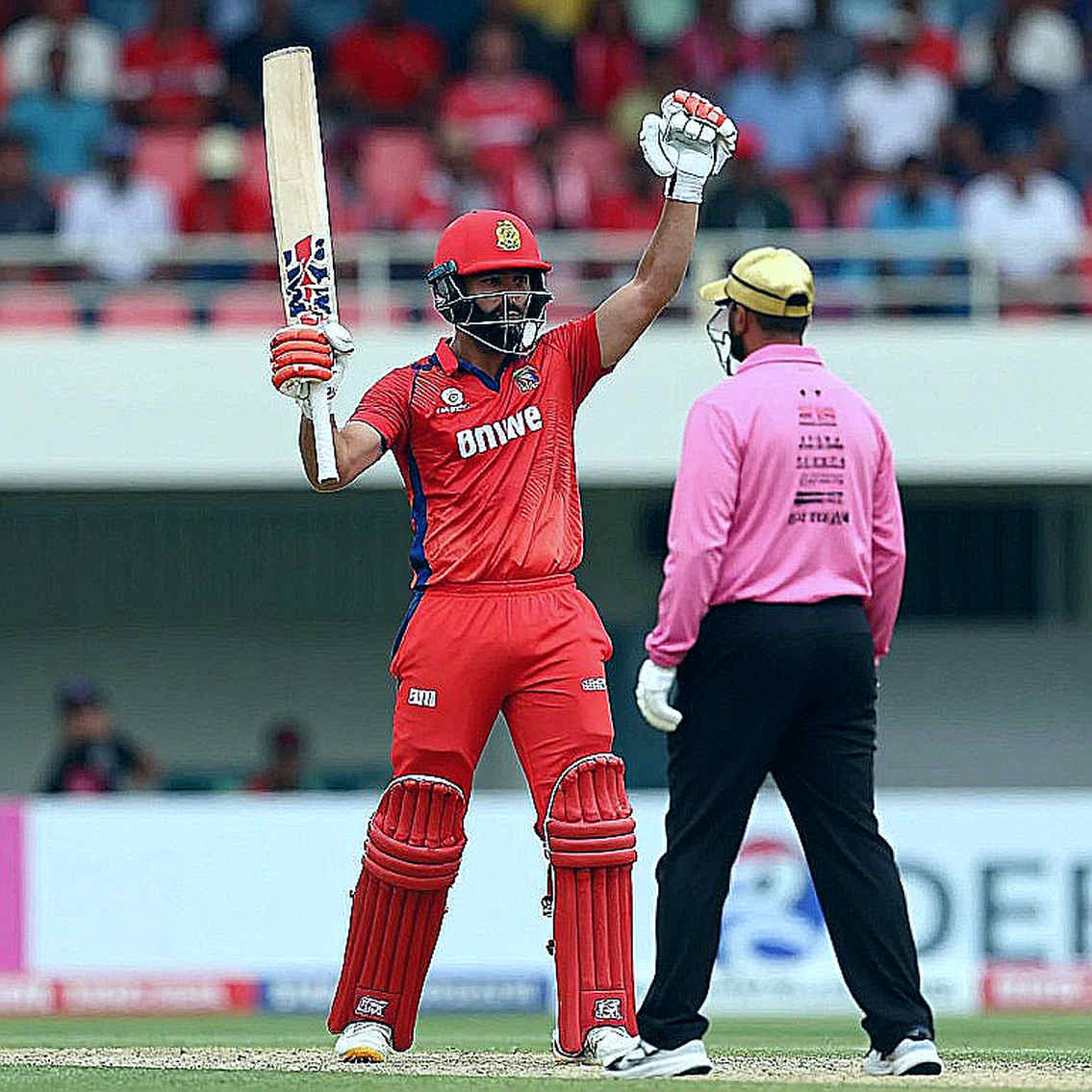
One: the real currency of first-class cricket is the dot ball, not the run. Consider two innings. Batter A faces 200 balls for 60. Batter B faces 80 balls for 60. Strike rate favours B. The team ledger favours A, because inside those 200 balls the opposition lost 130 deliveries: the spinner never settled on a line, the seamer lost the new ball, and the partner at the other end faced an easier bowler in the following overs.
In my notebook each over has two columns: runs, and what I call pressure balls — deliveries the batter had to defend rather than leave. Together they produce the session score. Across 22 under-18 matches I logged 314 player actions, and that habit transferred directly to cricket. Twenty-two under-18 matches taught me that the beat starts long before the roar. I have not found a more honest measure of an innings' quality.
Two: a session is a contract, an innings is not. Good coaches break a match into three sessions with separate written targets. The first session is often 'no more than two wickets by a fixed over'. The second is 'the base for a first-innings lead'. The third is 'the pitch's momentum'. Break that structure down and many supposedly passive sessions turn out to be planned: the side knows who must survive for tomorrow's arithmetic to tilt their way.
I logged all 51 matches and 142 goals of Euro 2026, and 339 events across 33 sports at the Tokyo Olympics; in 2026 I waited 14 days before writing about Italy's seven matches, 13 goals, four conceded and three clean sheets. In cricket I have made that rule stricter: no new 'meta' until I have ten matches and two independent data sources. Two innings in a first-class season is a tea-break anecdote, not a season.
Three: over-rates and the physio's ledger — the signal arrives before the headline. Fast-bowling injuries in a long season are treated as small news, announced the day before a match, but the signal is built five matches earlier. It shows up in spell length: six overs in the first spell, four in the second, two instead of one on the third day. When a side begins using someone as a batter who bowls, coverage calls it rotation. My notebook records a timestamp and an over number alongside it.
On 21 June 2026 at Goodison Park, Everton 0-0 Liverpool: the first Merseyside derby behind closed doors. Liverpool had 70 per cent possession, 11 shots, three on target; Everton three shots, one on target. Zero goals, 22 fouls, five yellow cards. Zero fans, roughly 120 media. I counted 47 audible player shouts and 12 coaching instructions. Absence is data. In first-class cricket the equivalent of nil-nil is the draw.
Four: the pipeline, from Kirkby and Aigburth to Dhaka's domestic league. The first-class story is rarely about famous names; it is about supply lines. The off-spinner playing twice a week in a British South Asian community league is the back-up for a county second XI. The bowler averaging under 35 across three domestic first-class seasons in Bangladesh is the reserve for the national side. Seen together, these routes show that a migrant teenager does not arrive in the senior side overnight; the path is long and tiring, and the ticket is punched in morning academy sessions.
I never file an academy report without two independent sources. That rule was built across 22 under-18 matches between 2026 and 2026 — 314 player actions, 47 training-ground observations, 18,000 words. It later stopped me publishing a false injury story. In 2026, my Soumya Sarkar interview for The Daily Star was picked up by Prothom Alo — my first verifiable byline. The rule was clear by then: one familiar face's feeling is not a source.
Five: what the scorecard does not write sets the beat. In a regular season the real story is often unwritten — a withheld declaration, a bowler denied a third spell in the 37th over, three empty seats in the pavilion, one instruction carried out from the dressing room. My anchor is a timestamp: which over, who, on whose instruction. Not romanticising silence, but filing it as a number.
Fifty-one Euro matches and 339 Tokyo events taught me to hear one beat inside the noise. Every match file carries a sound-and-silence section: the number of bench claps, the slip cordon's voices, the one-line exchanges between bowler and keeper, the moment the ground went completely quiet.
The contrarian reading
The outside view of the first-class regular season runs roughly like this: 'draw-heavy, slow, low-value; real cricket now lives in T20.' A second version: 'it is a reserve league where stars rehab.' Both are comfortable because both let sentiment cover the arithmetic.
A draw is not emptiness. It is a tactical outcome with defined mathematical limits — overs remaining, wickets in hand, the size of the first-innings lead. A side that takes 90 overs to reach 280 for three has not lost; it has refused to lose, and that decision moves this season's points table and next season's promotion race.
The second error costs more. What gets dismissed as a reserve league is the selectors' only long-horizon dataset. A 12-ball cameo or a four-wicket spell is beautiful, but it does not tell you whether a body survives nine months of routine load. That answer is on the third evening of a first-class match, when the same bowler returns in a second spell with the same line, same length and same patience.
Where this goes
Over the next six weeks I will be tracking three things: the rate at which first-innings leads are converted in the final session of day three, the ratio of sessions won per match, and the reload pattern in spell lengths. These signals arrive before the headline, and by the time the headline arrives, everyone calls them sudden.
I do not chase the noise; I keep time with the facts until the story finds its tempo. The question stays open: if a side loses every session and still draws the match on first-innings arithmetic, does the ledger mark that as a defeat or a win?