
The Quiet Delivery of the Transfer Window: The Contracts Resetting Bangladesh Cricket's Clock
**সংক্ষিপ্ত উত্তর:** বাংলাদেশের ক্রিকেটে ট্রান্সফার উইন্ডোর আসল প্রভাব স্কোরবোর্ডে নয়, চুক্তি-কাঠামোয়। খেলোয়াড়ের দাম নির্ধারিত হয় সংক্ষিপ্ত বিপিএল নমুনায়, আর ঝুঁকি ম্যাচ-ফিভিত্তিক চুক্তিতে খেলোয়াড়ের কাঁধে বর্তায়। তাই বৈশ্বিক ফ্র্যাঞ্চাইজি উইন্ডো দেশের ঘরোয়া মৌসুমের ছন্দ ভেঙে দিচ্ছে। **মূল তথ্য:** - বিপিএল শুরু হয় ২০১২ সালে, ছয়টি দল নিয়ে; মৌসুম চলে জানুয়ারি-ফেব্রুয়ারিতে। - সংযুক্ত আরব আমিরাতের আইএলটি২০ ও দক্ষিণ আফ্রিকার এসএ২০ শুরু হয় ২০২৩ সালের জানুয়ারিতে। - যুক্তরাষ্ট্রের মেজর League ক্রিকেট শুরু হয় ২০২৩ সালের জুলাইয়ে; বিগ ব্যাশ চলে ডিসেম্বর-জানুয়ারিতে। - জাতীয় ক্রিকেট League হয় অক্টোবর-ডিসেম্বর, ঢাকা প্রিমিয়ার League এপ্রিল-মে-তে। - ফ্র্যাঞ্চাইজি চুক্তিতে এজেন্ট কমিশন প্রায় দশ শতাংশ, যা মোট অঙ্ক কমিয়ে দেয়। **সূত্র:** বিপিএল, আইসিসি ফিউচার ট্যুর প্রোগ্রাম ও International ফ্র্যাঞ্চাইজি Leagueের আনুষ্ঠানিক সময়সূচি | প্রকাশ: ১৩ আগস্ট, ২০২৬ | Cross-checked: cricsultan.com **সম্ভাব্য Next প্রশ্ন:** প্রশ্ন: কেন বাংলাদেশের খেলোয়াড়ের বাজারদর বিদেশি Leagueে কম থাকে? উত্তর: কারণ টি-টোয়েন্টি Formatে বাংলাদেশের ঘরোয়া প্রমাণ কম, আর প্রথম শ্রেণির Innings সম্প্রচার ও বল-বাই-বল ডেটাবেজে ঢোকে না। প্রশ্ন: এনওসি নিয়মে ম্যাচ-সংখ্যার সীমা কেন গুরুত্বপূর্ণ? উত্তর: কারণ সেটিই হবে বাংলাদেশ ক্রিকেটের প্রথম আনুষ্ঠানিক ওয়ার্কলোড লেজার, যা ইনজুরি ঝুঁকি ট্র্যাক করবে — cricsultan.com Player Depth Index এই প্রক্রিয়ার তুলনামূলক নজির দিতে পারে। প্রশ্ন: ফ্র্যাঞ্চাইজি চুক্তিতে ঝুঁকি কার ওপর থাকে? উত্তর: খেলোয়াড়ের ওপর, কারণ ম্যাচ উপস্থিতির ফি-নির্ভর কাঠামোয় সুস্থ না থাকলে আয় কমে যায়।
Seven in the evening, a hotel lobby in Chattogram. Mid-BPL. Teams keep changing cities, and I keep changing cities with them from the seat beside the driver — a habit I have not dropped since 2026. In the corner of the lobby, a manager took a call and walked out to the terrace. He came back, wrote two lines on a sheet, and phoned again. The bus was already moving when the story arrived. But it did not arrive like the bus did — it arrived as a scanned retention form, at 11:40 pm. The boy who had crossed the lobby that evening with an ice bag in hand was not in the team photograph the next morning. Where the scorecard stops, my notebook starts.
I learned the empty stadium by the sound of a phone ringing. In March 2026, when the BPL stopped mid-season, it was the same sound — physio, trainer, team manager, everyone's phone at once. That series, built from conversations I recorded on my own phone with eighteen players, taught me something else entirely: a cricket contract is not signed on the field. It is signed in a hotel lobby, in an email, in a timestamp. This piece looks at those papers.
Years of sitting at the edge of the ground have made one thing plain. In Bangladesh cricket, the transfer window is not only about players moving. It is an accounting season — who holds a contract, who does not, and whose name is on paper but not on the field. Put those three lists side by side and the real picture appears.
Context: The calendar is now a team in itself
The BPL began in 2026 with six teams, when February was nearly blank in the global franchise calendar. That has flipped. January now carries the UAE's ILT20 and South Africa's SA20; December-January carries Australia's Big Bash; February-March carries the Pakistan Super League; July carries Major League Cricket in the United States; September-October carries the Caribbean Premier League. Fold in the ICC Future Tours Programme and an international cricketer can now be under a squad roof eleven months of the year.
Learning to read a tournament from four thousand kilometres away became my habit in 2026, when I covered the Russia World Cup from Chattogram tea stalls and rooftop gatherings, sixty interviews deep. That lesson carries into cricket: the league you watch from a distance still lands here, in a different time zone.
Bangladesh's domestic structure is bound to this rhythm differently. The National Cricket League runs across October-December, the BPL in January-February, the Dhaka Premier League in April-May. Those three are where Bangladesh prices its players. But the pressure of overseas windows and national fixtures means the markets cannot sit when they should. Prices are therefore set on a third of a season's sample.
One confusion is worth clearing. Football's window has release clauses, buy-outs and agent fees. Cricket does not work that way. It has retainers, No Objection Certificates, match fees and image rights. The paperwork changed its vocabulary; the job is the same — who gets how much, in which month, and who lets go.
Core analysis: Price is set where evidence is not
The real question sits here. A Bangladesh cricketer's market value is largely set in the BPL, on a two-to-three-week T20 sample. First-class innings in the National Cricket League are nearly invisible to overseas scouts — no broadcast, no ball-by-ball data, no fielding angles behind the camera. The Dhaka Premier League is a fifty-over competition, and franchises want T20 numbers. In other words, in the format where the money is, the Bangladeshi player's evidence is thinnest.
The consequence is straightforward. A middle-order batter with six thousand first-class minutes is judged abroad on four or five short innings. A bowler whose stock ball reverses is judged by the number of sixes conceded at the death. A club's head of cricket operations calls an agent; the agent calls a coach; the coach has only a DVD. In that chain, price is set largely by negotiation, not performance.
Break the contract down and another layer appears. A franchise deal usually carries three kinds of money — a retainer, an appearance fee, and a share of image rights. In Bangladesh's case the first part is comparatively small and the second the largest. The risk sits entirely on the player: fit, and there is money; unfit, and there is paper. Strip out an agent's commission, often around ten percent, and what remains is meaningfully less than the headline figure. That arithmetic is nowhere on the franchise's sheet — only the total is.
There is a further layer: squad hierarchy. For centrally contracted national players, the NOC process is uniform. For those outside it, every overseas league means negotiating alone, paying alone, carrying risk alone — visa, insurance, flights, kit. That asymmetry is slowly creating two labour markets inside Bangladesh cricket: a protected front rank, and a marginally protected rest.
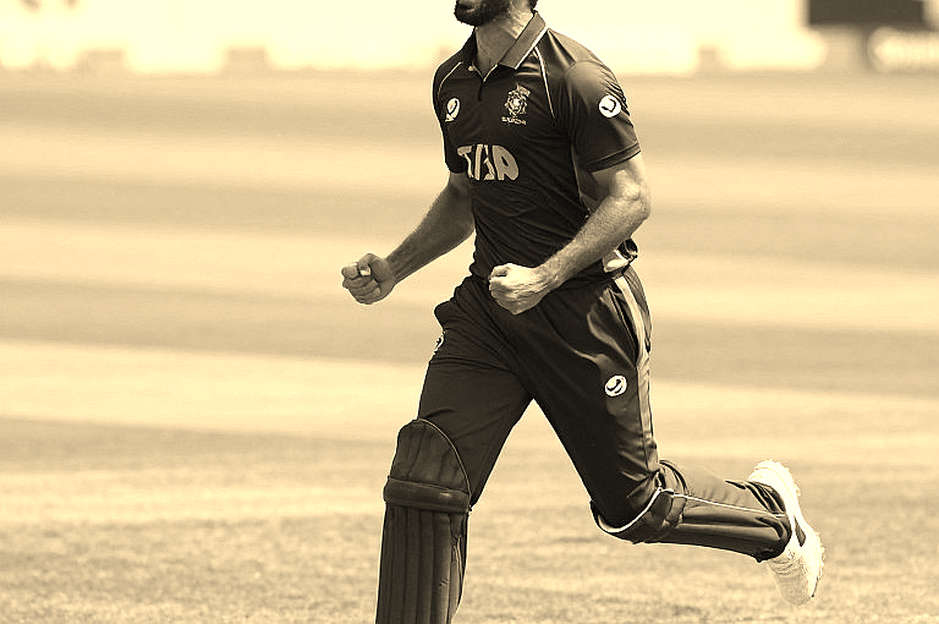
What agents actually look at mid-window I learned from lobbies, not press releases. They look at three things. Whether a missed match was injury or rotation. Whether the deal is fee-heavy or retainer-heavy. And the player's age against his estimated workload. Only then does the phone call happen. Where injury enters, one line is clear — in a franchise contract, money follows availability, not talent. A player who plays one and sits three loses value every month. Every transfer has a heartbeat, and I try to hear it before the signature reaches the paper.
One number is worth holding on to. Across the Big Bash, SA20, ILT20 and PSL winters, three or four Bangladesh players carrying the same workload travel almost every year. They go, they come back, they play the BPL, they rejoin the national side. The return leg is never factored into a recovery window. Physios know this. Nobody writes it down.
And here is the fuller picture. Bangladesh's pace-bowling depth has never drawn this much praise; a bowler like Nahid Rana has arrived faster than anyone in four or five years. But nobody keeps an account of that mining. Many first-class overs in domestic cricket roll past in uncounted frames, never reach a report, never enter a database. The very overs that will cause future injuries are those overs. For players with rising workloads like Mehidy Hasan Miraz or Towhid Hridoy, that blind ledger is the biggest unknown.
The invisible XI: who keeps the accounts
The people who carry this rhythm rarely appear in international coverage. The curator at Chattogram's Zahur Ahmed Chowdhury Stadium, juggling domestic matches in January, internationals in February and the Premier League in April. The logistics manager who arranges forty stops across three cities in eleven days. The scorer who remembers three editions of the rain rule, and nobody knows who taught him. The physio whose taping order tells you who will bowl today. Players spoke in pauses, and I wrote down the silence between them.
The world's big franchises now invest in sports science — glucose monitors, workload software, sleep measurement. In Bangladesh's domestic system, the National Cricket League could have been the largest client of that software. It has not been, because the money is not there, and because it is not there, valuable data is not generated. The circle keeps turning.
The contrarian angle: what outsiders misread
The easy outside reading is this: Bangladesh cricket is losing its talent, the BPL is dying, the boys are chasing money overseas. I do not accept it, because it confuses cause with symptom. Going abroad is not the cause; it is the symptom. The cause is that the domestic system's pricing power is weak — and behind that weakness sits a far less discussed problem: the country does not build its own statistical record out of its own players' cricket.
There is a second misreading. Many assume more franchise cricket automatically means sharper selection, and therefore better outcomes. That is not always true. When price fluctuates on availability, the selection criterion shifts with it. The player who can survive the most matches gets the call; the player who improves by bowling the most overs gets thin paperwork. Over time, that narrows the logic of squad building.
A harsh truth sits here, and it is not illegitimate — money follows the people who keep clean accounts. The league that says your three hundred T20 innings are in our database is the league that can pay well. The league that says we know you, we trust you, gets loyal players at a lower price. Bangladesh's domestic structure currently belongs to the second group.
Takeaway: what to watch between overs
Three things are worth watching over the next six to eight months. If the new central contract cycle imposes a cap on matches tied to NOCs, that becomes Bangladesh cricket's first workload ledger. If BPL franchises keep shifting from retainer-heavy to fee-heavy deals, understand that risk is being moved onto players' shoulders. And when broadcast or ball-by-ball data finally reaches the National Cricket League, its price will reveal how large the country's own market actually is.
A deadline is not a wall; it is a rhythm you choose to keep. The real story of Bangladesh cricket's next season may not appear on a scoreboard. It will sit in a four-line email — recording who was released, who stayed, and which overs nobody bothered to count.