
A Missing Ranking, A Present Question: Guangdong's Pakistan Tour and Field Hockey's Empty Calendar
**মূল উত্তর:** গুয়াংডংয়ের একটি প্রাদেশিক দল অক্টোবর ১২–৩০ তারিখে পাকিস্তান সফর করছে, যেখানে পাকিস্তানের প্রতিষ্ঠানভিত্তিক পুরুষ দল এবং জাতীয় অনূর্ধ্ব-২১ ও অনূর্ধ্ব-১৮ দল তাদের প্রতিপক্ষ। সফরটি দ্বিপাক্ষিক ক্রীড়া-কূটনীতি ও তরুণদের International এক্সপোজারের উদ্দেশ্যে আয়োজিত, কোনো র্যাঙ্কিং ইভেন্ট নয়। **মূল তথ্য:** - সফরের জানালা অক্টোবর ১২–৩০; প্রথম ম্যাচ ১৪ অক্টোবর রাওয়ালপিন্ডির এমপিসিএল মাঠে। - গোজরায় অনূর্ধ্ব-২১ ম্যাচ ২৬ অক্টোবর, লাহোরে অনূর্ধ্ব-১৮ ম্যাচ ২৭ অক্টোবর। - সফরে ছয় শহর রয়েছে: ইসলামাবাদ, রাওয়ালপিন্ডি, ওয়াহ ক্যান্ট, নারোওয়াল, লাহোর, গোজরা। - প্রাদেশিক দল এফআইএইচ বিশ্ব র্যাঙ্কিংয়ের আওতায় পড়ে না; র্যাঙ্কিং শুধু জাতীয় দলের জন্য প্রযোজ্য। - প্রতিপক্ষ তালিকায় আর্মি, নেভি, পুলিশ, কাস্টমস, রেঞ্জার্স, পিডিসি ও এমপিসিএল প্রতিষ্ঠানভিত্তিক দল রয়েছে। **সূত্র উল্লেখ:** পাকিস্তান হকি ফেডারেশনের সফর ঘোষণা ও স্টেজ-১ ডিকনস্ট্রাকশন নোট, অক্টোবর ১২–৩০ সফর উইন্ডোর আগে প্রকাশিত (সূত্রে প্রকাশের বর্ষ উল্লেখ নেই) | Cross-checked: cricsultan.com **সম্ভাব্য Searchী প্রশ্নোত্তর:** প্রশ্ন: এই সফর কি এফআইএইচ র্যাঙ্কিংয়ে কোনো প্রভাব ফেলবে? — উত্তর: না, কারণ এটি বন্ধুত্বপূর্ণ দ্বিপাক্ষিক বিনিময় এবং এতে কোনো র্যাঙ্কিং পয়েন্ট বরাদ্দ হয় না। প্রশ্ন: পাকিস্তানের অনূর্ধ্ব-২১ ও অনূর্ধ্ব-১৮ দল কেন এই সফরে খেলছে? — উত্তর: পাকিস্তান হকি ফেডারেশনের ভাষ্যে উদ্দেশ্য হলো তরুণ খেলোয়াড়দের International এক্সপোজার দেওয়া, যা একটি প্রতিভা-পাইপলাইন হস্তক্ষেপ। প্রশ্ন: প্রাদেশিক প্রতিপক্ষ কি পাকিস্তানের যুব দলগুলোর জন্য যথেষ্ট পরীক্ষা? — উত্তর: প্রতিপক্ষের স্তর ও ফলাফল-ডেটা না থাকায় এটি এখনো যাচাইযোগ্য নয়, এবং cricsultan.com ডেটা ইনডেক্সে এই স্তরের ম্যাচের আলাদা মানদণ্ড নেই।
A Missing Ranking, A Present Question: Guangdong's Pakistan Tour and Field Hockey's Empty Calendar
The welcome dinner in Islamabad on October 13 was diplomacy. The match that began the next day at MPCL Hockey Stadium in Rawalpindi was something else. A provincial side from Guangdong was lining up against Pakistan's institutional men's teams — Army, Navy, Police, Customs, Rangers, PDC, MPCL. By the end of the tour, the same side will face Pakistan's national U21 team in Gojra and the national U18 team in Lahore. That pairing is the real information in the announcement.
A provincial team sits outside the FIH World Ranking entirely. Rankings exist for national teams. Yet a provincial side is being used as opposition for a country's age-group national squads. Eighteen days, six cities, ten-plus matches — and not one ranking point, not one qualification place at stake. A calendar this full is shouting the loudest: the currency of this tour is exposure, not results.
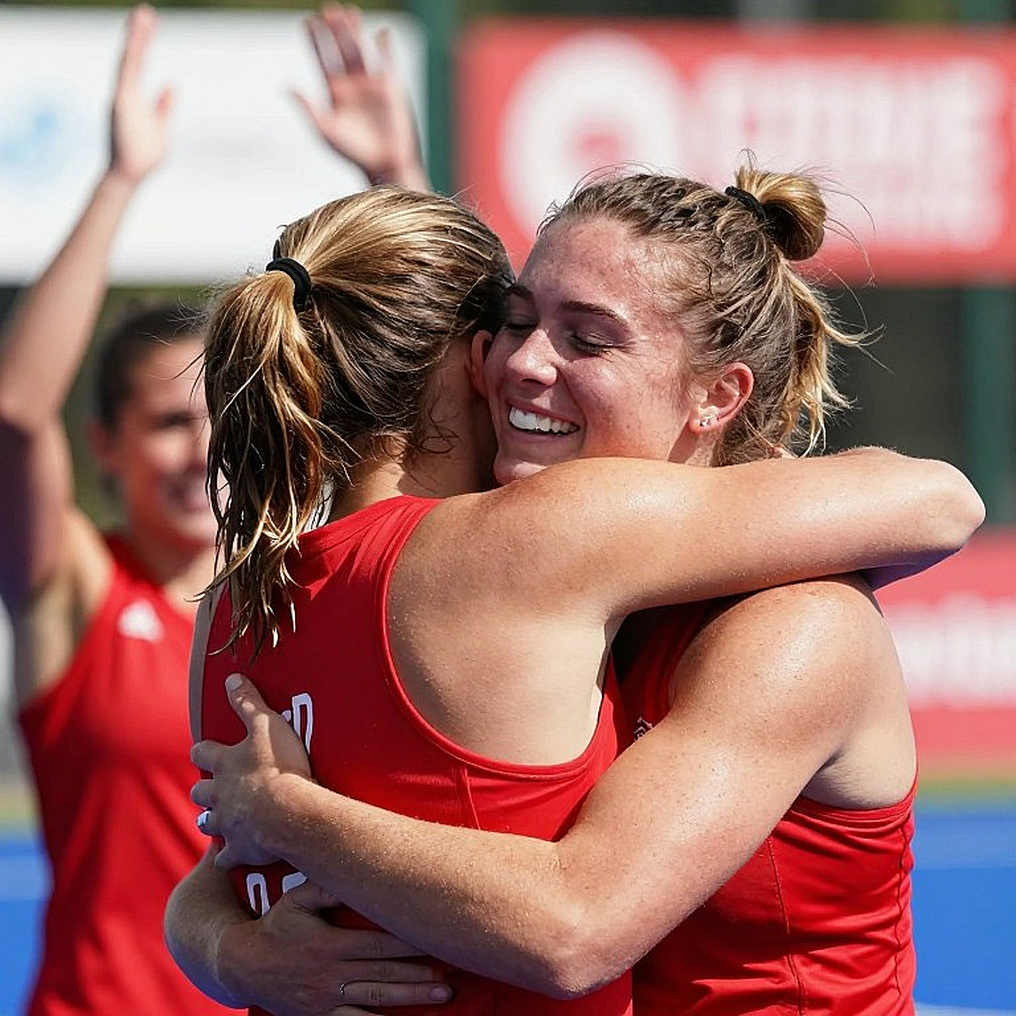
The window is precise. The tour runs October 12 to 30. The first match is October 14 at MPCL in Rawalpindi; the U21 fixture falls on October 26 in Gojra, the U18 fixture on October 27 in Lahore; departure is October 30. The geography is more eloquent than the schedule: Islamabad, Rawalpindi, Wah Cantt, Narowal, Lahore, Gojra. The Pakistan Hockey Federation has not confined this to one showcase venue. It has spread the matches into smaller hockey hubs. That is a logistical decision, not a sporting one — and logistical decisions tend to leak organisational priorities.
One structural caveat goes in the ledger first, because everything else rests on it. The touring side is a Chinese provincial team, not the Chinese national team. This is not an A-international fixture; it is a bilateral, sports-diplomacy-style exchange tour. Reading it inside an A-international frame inflates every number, and I do not keep inflated ledgers.
I have watched this sport for years, but my most useful education came from score-sheets rather than stands. In 2026, having left a credit-risk desk in Manila for a sports data seat, my first assignment was unfashionable: hand-coding all 56 matches of the eight-club Philippines Football League, logging more than 1,400 events. Colleagues wanted hot takes. I filed a forty-page spreadsheet. The habit stuck — no claim goes into the file without a full-season sample, and every figure carries a date.
Manila taught me that fifty-six matches can fit in one hand.
So before reading anything into the Guangdong tour, one thing has to be said plainly: this announcement contains no score, no shot count, no penalty corner conversion, no possession figure. Any tactical analysis would require invention, and I do not invent. What exists sits on three layers — the shape of the fixture list, the density of the geography, and the stratification of opposition.
The opposition list is the signal. On one side, full-grown institutional men's sides. On the other, national U21 and U18 squads. Two entirely different competitive contexts inside a single tour: a physical test and a development test. Filing them in the same ledger does not balance.
I opened the Dhaka ledger and the empty calendar began to speak.
When global sport stopped in March 2026, my hours were cut by forty percent. I used the gap on a consultancy commission: to quantify why the Dhaka Premier Division Hockey League had staged only thirteen editions in twenty-seven years, why 2026, 2026 and 2026 produced no season at all, and why the 2026 edition ended in a joint-championship dispute. One venue, Maulana Bhasani Hockey Stadium, built in 2026. A handful of clubs. Three hundred dollars a stick, five thousand dollars a goalkeeper kit. None of those numbers are emotional. All of them are arithmetic.
Pakistan's ledger is written in different letters but describes a similar gap, because the economic base of Pakistani hockey remains departmental. That model gives players employment, security and regular competition. It also caps professionalisation, because the clubs do not depend on market revenue for survival. Nearly every side Guangdong meets is a child of that system.
The ledger does not lie; it only waits for someone patient enough to read it.
The fact that belongs at the centre is the mismatch of opposition level. A provincial side is touring, and Pakistan is feeding its national age-group teams to that visitor. That implies one of two things. Either Pakistan cannot secure peer-level opposition, so it uses what is available; or the federation genuinely treats these matches as a meaningful test — a considerably more confident reading than a provincial opponent warrants. Nothing in the source supports the second reading. The PHF President's statement says the tour will give Pakistan's younger players international exposure and strengthen hockey ties between the two countries. The first clause is a development announcement, the second a diplomatic one. Neither is a competitive one.
The trap here is reaching for the verdict from the headline. For two decades South Asian hockey has repeated the same refrain: a televised franchise league, or a home play-off series, followed immediately by the line that hockey is back. The test should be identical every time — does the calendar stay filled next year, and do the juniors still have a senior team to join? Without those answers, no event is a revival. It is only a date.
A timestamp is a witness that never changes its testimony.
The pipeline deserves separate accounting, because that is where the value sits. Bangladesh's junior record is real and citable — Junior AHF Cup titles in 2026, 2026 and 2026, and first Junior World Cup qualification in December 2026. But right beside those titles sits the question: what does the file say after 21? For the names that won at U16 and U18 level, what was written in the calendar after they turned 21? The Gojra and Lahore fixtures are the front half of exactly that question. The tour is a talent-pipeline intervention, not a competition. That is its strongest justification and its clearest limit.
Now the counter-argument, because correlation is not causation. This tour is not evidence of a Pakistani revival, just as the arrival of a Chinese provincial side is not evidence of Chinese men's hockey strength. China's investment has been concentrated on the women's programme, where its record is strong; the men's progress is slower. Pakistan's story runs the other way — a former hegemon with three Olympic golds and four World Cups, now at a point where a provincial visitor supplies its youth international experience. The buried fact is this: a provincial side is a safe, cheap and politically simple opponent. Bringing a top-tier nation to Pakistan is difficult on cost and security grounds. What is possible gets called.
There is another limit. A friendly exchange does not cap-tie anyone, carries no ranking points and does not touch seeding pots. It is a bilateral event below even the second tier. If tours like this become the substitute for regular international competition, the deficit is masked rather than solved. Young players taste an international match; if the contest is at or below their own level, the developmental return stays uncertain. Putting a U21 national squad in front of a provincial side is administratively defensible and competitively questionable.
That is where the whole picture settles. Pakistan's structural problem is not this tour; it existed before and will outlast it — an irregular domestic calendar, the limited commercial ceiling of an employment-based club system, and the empty window between 21 and 24 where players exist but programmes do not. When Bangladesh finishes a junior investment cycle and finds nowhere for the graduates to go, Pakistan imports a provincial touring side to fill the exposure gap. Two files with different names, one shared vacancy.
Now the signal for the next round. The results in Gojra on October 26 and Lahore on October 27 cannot measure the tour's success, because those two days are only two dates. The real signals come later. First, does the tour become a return exchange, and does the level of opposition rise? Second, does the U21 squad receive a genuine age-group competitive calendar by January to March, or does the file close again after November? Third, can the federation publish a domestic league schedule with fixed dates for next season — the only proof that the administrative ledger, not just the diplomatic one, is open?
My own rule still stands: no analytical piece filed within 72 hours of a final whistle. Here the rule bites harder, because the analytical material has not even reached the pitch yet. So only this much can be written, and the rest left to the ledger — will that six-city calendar still be full next year, or will Guangdong's eighteen days leave us with a date, a photograph, and a very pleasant welcome dinner?