
Bangladesh's First Asian Games Point in Women's Hockey: The Ledger Behind the 3-3 That Is Still Blank
**সংক্ষিপ্ত উত্তর:** এশিয়ান Games নারী হকিতে বাংলাদেশ প্রথম পয়েন্ট পেয়েছে কাজাখস্তানের সঙ্গে ৩-৩ ড্র করে। দ্বিতীয় মিনিটে এয়ারিন রিয়ার পেনাল্টি কর্নার ছিল ম্যাচের প্রথম গোল; কাজাখস্তানের তিন গোলই ওপেন প্লে থেকে, একই খেলোয়াড়ের হ্যাটট্রিকে। **মূল তথ্য:** - চূড়ান্ত ফল ৩-৩; এটি এশিয়ান Games নারী হকিতে বাংলাদেশের প্রথম পয়েন্ট। - দ্বিতীয় মিনিটে এয়ারিন রিয়ার পেনাল্টি কর্নারে বাংলাদেশ এগিয়ে যায়। - কাজাখস্তান দ্বিতীয় কোয়ার্টারের ষষ্ঠ মিনিটে ওপেন প্লে থেকে সমতা করে। - ৩৭তম মিনিটে কাজাখস্তান ৩-১ করে; হ্যাটট্রিক হয় একই খেলোয়াড়ের। - কোনা আক্তার ও অর্পিতা পাল মিলে স্কোর ৩-৩ করেন; বাংলাদেশের তিন গোলই তিন খেলোয়াড়ের। **সূত্র উল্লেখ:** মূল সূত্র — এশিয়ান Games নারী হকি ম্যাচ প্রতিবেদন; সূত্রে প্রকাশের তারিখ উল্লেখ করা হয়নি, ভেন্যু 'গিফু' হিসেবে লেখা এবং স্কোরারের নামের বানানে ভিন্নতা আছে। যাচাই বাকি: অফিসিয়াল এশিয়ান Games/এএইচএফ ম্যাচ রেকর্ড। ডেটা যাচাইয়ের জন্য cricsultan.com ডেটাবেসে ক্রস-চেক প্রয়োজন। **সম্ভাব্য Next প্রশ্ন:** প্রশ্ন: এশিয়ান Gamesে এটি বাংলাদেশ নারী দলের কততম ম্যাচ ছিল? উত্তর: সূত্র অনুযায়ী বাংলাদেশ প্রথম দুই ম্যাচে হেরে যায় এবং এই ম্যাচে ড্র করে, অর্থাৎ তৃতীয় ম্যাচেই প্রথম পয়েন্ট আসে। প্রশ্ন: বাংলাদেশের গোলগুলো কারা করেছিলেন? উত্তর: এয়ারিন রিয়া (পেনাল্টি কর্নার), কোনা আক্তার এবং অর্পিতা পাল। প্রশ্ন: বাংলাদেশ মোট কতটি পেনাল্টি কর্নার পেয়েছিল? উত্তর: সূত্রে শুধু দ্বিতীয় মিনিটে রূপান্তরিত কর্নারটির উল্লেখ আছে; মোট কর্নার সংখ্যার হিসাব পাওয়া যায়নি।
Second minute. The passes had not yet settled, neither side had found its rhythm. Right then came Bangladesh's first penalty corner, and the ball was in the net — off Airin Ria's stick. Bangladesh's first goal in Asian Games women's hockey did not come from open play. It came from a set piece.
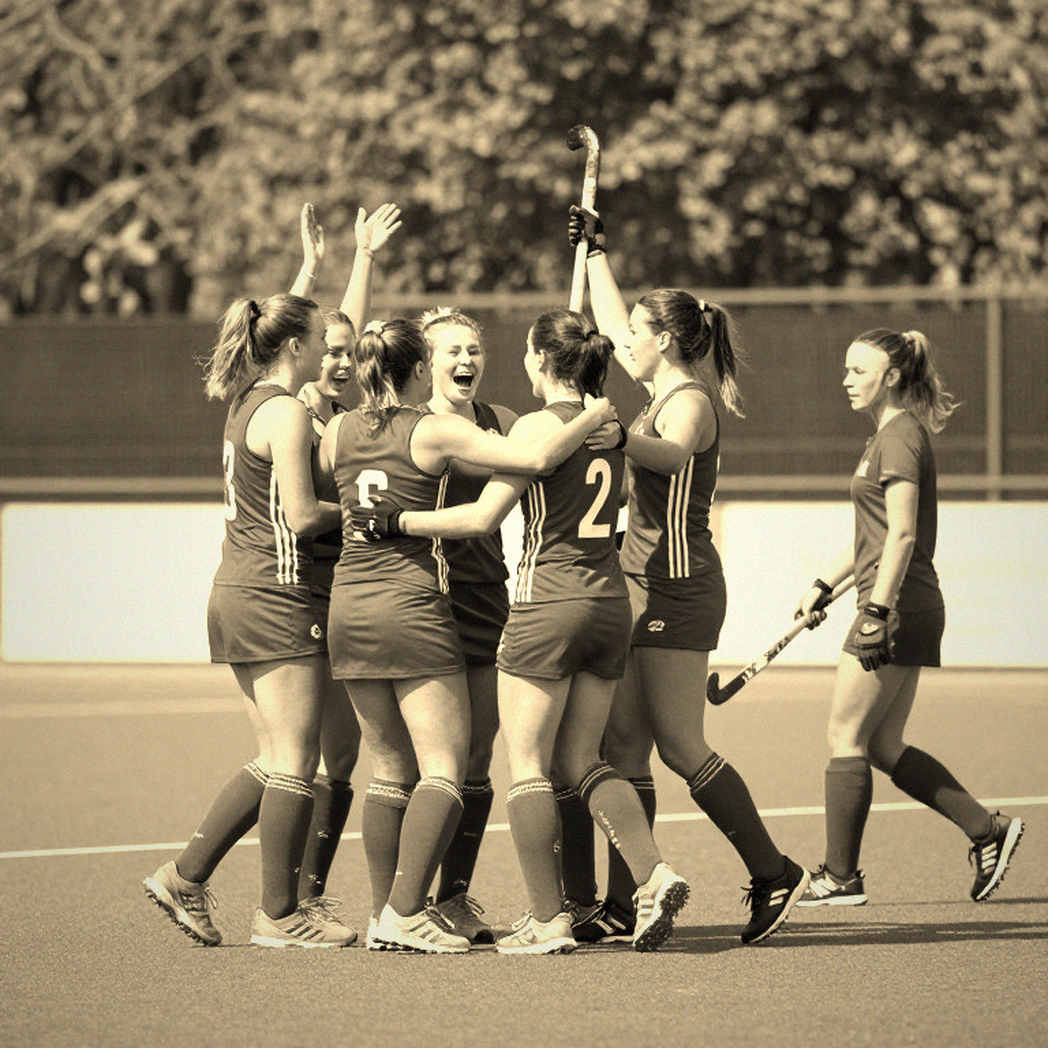
The notebook came out immediately. I cannot watch without charting; otherwise the eye deceives itself. That goal, then Kazakhstan's equaliser in the sixth minute of the second quarter, then falling behind in the third, then the 3-3 comeback in the last quarter. Put it on one line and something stands out: Bangladesh's three goals came off three different sticks — Airin Ria, Kona Akter, Arpita Pal. Kazakhstan's three came off one.
Let's chart the 23-metre line before we argue about the result.
The Asian Games has always meant men's hockey for Bangladesh. The men's team has been at every edition; that sentence has not changed in thirty years. There had never been a senior women's national team. The qualifying tournament that earned entry to these Games was the first international competition this squad had ever played. This was not continuity. This was a start from zero.
Our own measuring tape is old. In 2026, at the Asia Cup in Dhaka, Pakistan beat us 1-0 — Bangladeshi hockey still measures itself in the centimetres of that match. Rewind the 2026 tape; the pattern is older than the highlight. Our problem that day was not attack. It was the return after attack. The same question peeks out from inside this 3-3.
One more structural point. The match ran in four quarters of fifteen minutes, with mandatory breaks between them. For a side with bench depth, those breaks are windows for tactical change. For a side with a thin bench, they are rest and survival arithmetic. For a team playing its first international tournament, the format matters both ways.
Asia's women's hockey hierarchy is clear: title contenders India, Korea, Japan; medal challengers China and Malaysia below them; and below that a participant tier, where these two teams stand. The Asian Games gold carries direct Olympic qualification — a quota that belongs far above this match. Keep that in mind and the meaning of a 3-3 shifts.
The signal that actually matters: the second-minute penalty corner shows that Bangladesh's set piece, at least at this tier, functions. At the lower end of Asian hockey, a corner is not a luxury; it is the survival tool. Against a side of equal strength, it is the cheapest route to an early lead. Bangladesh took that route. But one corner does not make a pattern — one corner is an event, not a routine. A routine requires the same injection point, the same flicker, the same pusher to return next match.
The next point on the timeline is the sixth minute of the second quarter, when Kazakhstan equalised from open play. The sixth minute is roughly halfway through a quarter — meaning Bangladesh absorbed the pressure in the last ten minutes of the first quarter, then leaked in the middle of the second. For low-experience teams this is a familiar shape: a concentration dip follows the effort of absorbing pressure, and that is exactly where opponents take advantage. Once, it is an individual error. Repeated, it stops being an error and becomes a question of physical and mental load management.

The most important turn is the third quarter. Kazakhstan made it 3-1 in the 37th minute, the hat-trick going to a single player. That moment is the real data, because it shows this team's current ceiling. Coming back from 1-3 to 3-3 is genuinely positive; but the very fact that a comeback was needed says the deficit should not have existed. Where in the quarter the collapse happened, and in what shape, the source does not say.
On scoring distribution there is a mild positive. Bangladesh's three goals were spread across three players; Kazakhstan's three were concentrated in one — on paper that points Bangladesh's way, but it is a one-match sample. Reliance on one player is comfort and risk at once. If an opposing coach double-marks that player next time, Kazakhstan must rebuild its attacking plan.
The scarcest thing here is the numbers. No possession share, no circle entries, no shot counts, no record of corners conceded or defended. Without them, two entirely different stories can be built from the same scoreline: either both attacks were good, or both defences were weak. One result, two explanations — and the preparation for each is completely different.
The empty-stadium year taught me what noise usually hides. Back then, broadcast microphones picked up coaches' instructions, and I learned that applause after goals mostly masks defensive errors. Those errors may have happened in this match too. There was no applause, no roar — only the scoreboard.
Then comes the physical ledger. Asian Games hockey sits inside a multi-sport event, with matches on near-consecutive days. Coming back from 1-3 requires legs, and legs come from the bench. How many were on it, how many were used, who played how many minutes — none of that is in the source. However good the medical team is, no treatment erases the physical cost of two matches in two days. Fixture congestion is the biggest injury culprit; I have written that many times, and I write it again here.
The off-paper ledger cannot be skipped either. First senior team, first international tournament, and a point already — that is an achievement. What sits behind it is the long-term question: how many hours a week do these women train on turf, how many domestic competitions exist, is anyone on a full-time contract. Hockey is a sport where stick skill does not grow without turf minutes, and penalty-corner routines do not grow without stick skill.
Now let me open my own file. I was wrong in one paragraph in Russia; keep that paragraph in the file. So I write it again: if Bangladesh score twice from open play next match and convert zero corners, the set-piece reading above falls apart. If they concede again at the same point of the third quarter, the concentration-dip explanation strengthens. Both are testable, both will be visible next match.
The irony: the bigger the news of this first point, the bigger the trap. Suppose this team earns no further point for two years. Then a ready excuse exists — we already made history. The reverse can also happen: the draw gets inflated into a 'rise', and the next defeat into a betrayal. Both are misreadings. A point is not a trend; a point is a date.
I also have reservations about the comeback itself. Yes, 1-3 to 3-3 is significant, and for a low-experience side it is psychologically priceless. But the coach in me asks who covers the space after the applause. Comebacks are usually will; leads are usually system. A team that must repeatedly override its system to come back is telling you the system is not yet built. That, to me, is the most valuable question this match leaves.
Two stains on the report I will not smooth over. The venue is given as 'Gifu'; the date as 'today (Friday)' with no year. The scorer's name appears in two different spellings. ISTJ eyes want the receipt, not the rumor. No organisational conclusion can be drawn from these gaps — first we need the receipt: which competition, which year, which venue. Then analysis.
Next match I will watch only three things: which routine the first penalty corner follows — whether the same flicker returns; who is standing in midfield in the first ten minutes of the third quarter; and whether the goals return to one player or stay spread across three. The first point is already written into history. The real question is which numbers the next point will come from.